Scroll sideways for more
| Connection | Knot | Measurement |
|---|---|---|
| Reel to backing | Arbor knot (two overhand knots) | Overhand in the backing, loop around the arbor, second overhand around the line; wind about 100 yards of 20-lb |
| Backing to fly line (line has a welded loop) | Loop-to-loop: a loop in the backing tied with a triple surgeon's knot | Make the backing loop big enough to pass the fly line spool through |
| Backing to fly line (no loop) | Albright knot or nail knot | Albright: about 10 inches of backing through the line, 10 to 12 wraps. Nail knot: 5 to 7 turns |
| Spool full | None | Stop about 1/4 inch below the spool rim |
| Fly line to leader | Loop-to-loop: welded line loop + perfection loop in the leader butt | Seat the two loops so they look like a square knot |
| Fly line to leader (no loop) | Nail knot | 2-inch loop of leader, 5 snug wraps, 1/2 to 1 inch from the line's end |
| Leader | Already tapered | 9 ft, ending in 5X |
| Leader to tippet | Double (or triple) surgeon's knot, or blood knot | Overlap about 6 inches. Blood knot: 7 turns a side in 5X or 6X. Tippet: about 2 ft, one size finer (5X to 6X) |
| Tippet to fly | Improved clinch knot | 5 to 6 inches of tippet through the eye, 5 turns |
The short answer
From the reel out: tie 20-lb Dacron backing to the reel with an arbor knot and wind on about 100 yards, join the fly line to the backing loop-to-loop, wind the line on until it sits about 1/4 inch below the rim, then loop a 9-foot 5X leader to the line and add about 2 feet of 6X tippet with a surgeon's knot. Tie the fly on with an improved clinch knot. Check your reel's capacity chart before you start: a small reel holds less backing.
What you need
- Rod and reel of the same weight (a 5 reel for a 5-weight rod). See the first fly rod setup page.
- Backing: 20- or 30-lb Dacron.
- Fly line in the rod's weight, weight-forward floating. Most new lines have a welded loop on each end.
- A 9-foot tapered leader ending in 5X. Many have a loop on the thick end; if not, you tie one.
- Tippet spools in 5X and 6X.
- A pencil (to wind backing under tension) and nippers.
Step by step
- Step 1. Run the backing through the reel's line guard, around the arbor and back out through the guard.
- Step 2. Tie the arbor knot. Tie an overhand knot near the tag end of the backing, pass the backing around the arbor, tie a second overhand around the standing line with the tag, then pull until both knots slide down and lock against the arbor. Add a half hitch around the spool so the knot does not spin. Trim the tag end.
- Step 3. Wind on about 100 yards of 20-lb backing. Have someone hold a pencil through the backing spool so it turns, and run the backing through a folded towel so it winds on under tension. Move the line side to side so it lays level. Your reel's capacity chart has the last word on how much.
- Step 4. Not sure how much fits? Work backward: wind the fly line onto the reel first, fill the rest of the spool with backing, then strip it all off and wind it back on in the right order, backing first.
- Step 5. Tie a loop in the end of the backing with a triple surgeon's loop, big enough to pass the whole fly line spool through.
- Step 6. Find the reel end of the fly line. Unwind 2 to 3 feet and look for a tag that marks the end that goes to the reel.
- Step 7. Join backing to line loop-to-loop. Pass the line's welded loop through the backing loop, then pass the whole line spool through the line's loop, and pull slowly until the loops lock like a square knot. If the line has no loop, tie a nail knot with 5 to 7 turns, or an Albright with 10 to 12 wraps.
- Step 8. Wind the fly line on under light tension, level side to side, all 90 to 110 feet of it. Stop when the line sits about 1/4 inch below the spool rim. If it is fuller than that, take off backing and start again.
- Step 9. Loop on the leader. Most leaders have a butt loop; if yours does not, tie a small perfection loop in the thick end. Pass the leader loop over the fly line loop, feed the leader's thin end through the line loop, and pull until the two loops seat like a square knot. If the fly line has no loop, tie a nail knot with 5 snug wraps, 1/2 to 1 inch back from the line's end.
- Step 10. Check the leader: 9 feet, ending in 5X. For a weighted streamer in riffles, go to 7 feet or less.
- Step 11. Add about 2 feet (24 inches) of tippet to the end of the leader, the same size or one size finer: 6X on a 5X leader. Overlap the two about 6 inches and tie a double surgeon's knot (a third pass makes a triple). For a two-fly nymph rig, use 12 to 18 inches here instead (see the nymph rig page).
- Step 12. Tie on the fly with an improved clinch knot: pass 5 to 6 inches of tippet through the hook eye, make 5 turns around the standing line, tuck the tag back through, wet it and pull tight. Trim the tag end.
- Step 13. String the rod: run the leader and line through every guide, then pull out about 3 rod lengths of line to start casting.
Finished, from the reel out: backing (about 100 yards of 20 lb), fly line (90 to 110 feet), 9-foot 5X leader, about 2 feet of 6X tippet, fly.
Other ways you'll hear
- Backing: 100 to 150 yards of 20- or 30-lb on most trout reels; 100 to 125 yards with a 5-weight line on a large-arbor reel; some small reels hold only about 50.
- Spool fill: some leave about 3/16 inch below the rim instead of 1/4.
- Backing loop: a double or triple overhand loop instead of a triple surgeon's.
- Nail knot spacing: about an inch from the line's end, or at least 1/2 to 3/4 inch.
- Tippet knot: a blood knot instead of a surgeon's, with 7 turns a side in 5X or 6X.
Why the tippet section matters
Each fly change cuts off a few inches. With a 2-foot tippet section you cut tippet, not your leader. When it gets short, add new tippet instead of cutting into the leader.
Knots this setup uses
The fishing knots page has a drawing for each of these: arbor, loop-to-loop, perfection loop, nail knot, Albright, double surgeon's, blood knot and improved clinch.
Then rig for the water
On Front Range tailwaters like Deckers, Cheesman Canyon, the Dream Stream and the Blue in Silverthorne, which are artificial flies and lures only, most days start with a nymph rig. The nymph rig page has the indicator and dry-dropper setups with measurements, and the midge rig page has the winter version.
Where this comes from
Read on November 29, 2026.
- Scientific Anglers: "How to Spool a Fly Reel with Backing and Fly Line" (July 25, 2022) and "Fly Fishing Knots" (February 16, 2015; updated December 19, 2025): arbor half hitch, working backward, triple surgeon's loop, 2 to 3 feet to find the reel end, 3/16 inch at the rim, nail knot (5 snug wraps, at least 1/2 to 3/4 inch from the end), Albright (about 10 inches, 10 to 12 wraps), improved clinch (5 turns).
- Fly Fisherman: "Fly Fishing Setup" (August 30, 2012): threading the guard, pencil and towel, 100 to 150 yards, 90 to 110 feet of line, 9-foot leaders, 7 feet or less for streamers, 2-foot tippet and why, double or triple overhand backing loop, loop-to-loop backing.
- MidCurrent: "How Much Backing Should Go on a Trout Reel?" (no date shown): 100 to 125 yards. Fly Anglers Online: Fly Fishing 101, loading a reel (about 50 yards; 1/4 inch at the rim).
- Orvis Learning Center: arbor knot; nail knot (about an inch from the end); blood knot (7 turns in .009 inch and finer). Take Me Fishing (RBFF): perfection loop, loop-to-loop connection and "How to Cast a Fly Rod" (3 rod lengths of line). Animated Knots: blood knot.
Questions anglers ask
- How much backing should I put on a fly reel?
- For a 5-weight trout reel, about 100 yards of 20-lb Dacron. Many trout reels take 100 to 150 yards; some small reels hold only about 50. Fill until the fly line sits about 1/4 inch below the rim.
- What knot attaches backing to a fly reel?
- The arbor knot: two overhand knots that slide down and lock on the reel arbor. It only has to grip the spool.
- How do you attach the leader to the fly line?
- Loop-to-loop. Most fly lines have a welded loop; tie a perfection loop in the leader's thick end if it has none, and seat the two loops like a square knot. For a line with no loop, use a nail knot with 5 wraps.
- How long should tippet be?
- About 2 feet for a single fly. Use 12 to 18 inches to the first fly on a two-fly nymph rig.
- What knot joins tippet to leader?
- A double surgeon's knot with about 6 inches of overlap, or a blood knot with 7 turns a side in 5X or 6X.
Find today's best water near Denver
Read next
The Best Tailwaters Near Denver
The best tailwater fly fishing near Denver, from Waterton Canyon to the Fryingpan, with drive times, what each is best for and whether dogs are allowed.
2 min read
The Winter Tailwater Fly Box
A compact winter fly box for Colorado tailwaters: midges, Baetis, attractors and mysis, plus tippet and accessories.
1 min read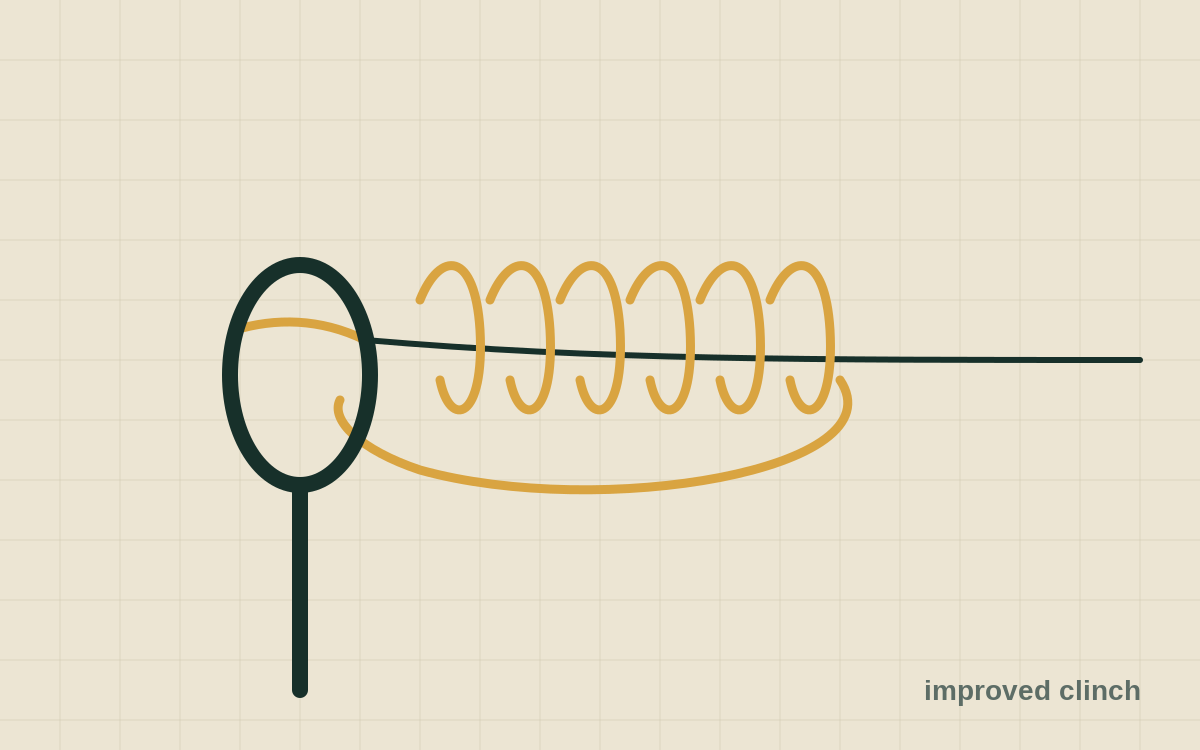
Fishing Knots: Which One, and How to Tie It
How to tie the fishing knots that cover almost everything: arbor, improved clinch, Palomar, double surgeon's, double uni and non-slip loop, plus the five fly line knots, with a drawing for every step.
12 min read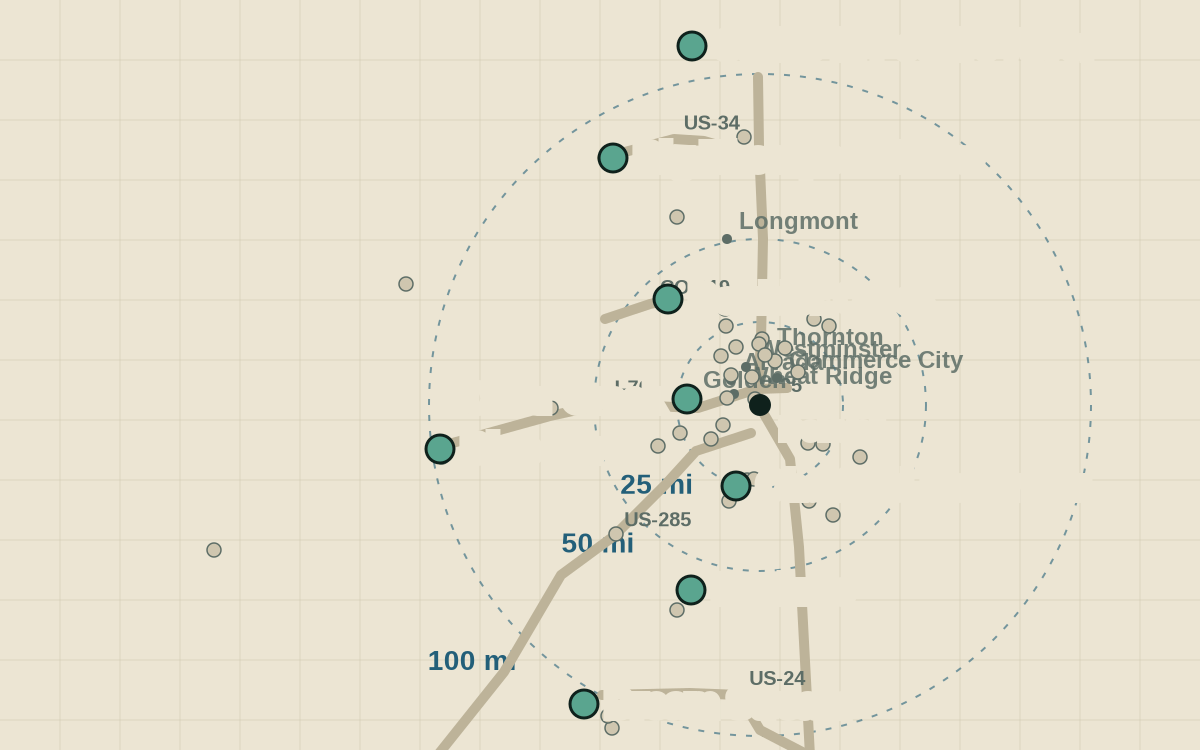
Fly Fishing Near Denver, by Drive Time
The best fly fishing near Denver, sorted by drive time: from the South Platte in town and Clear Creek in Golden to Deckers, the Blue and the Arkansas, with what each is best for.
5 min read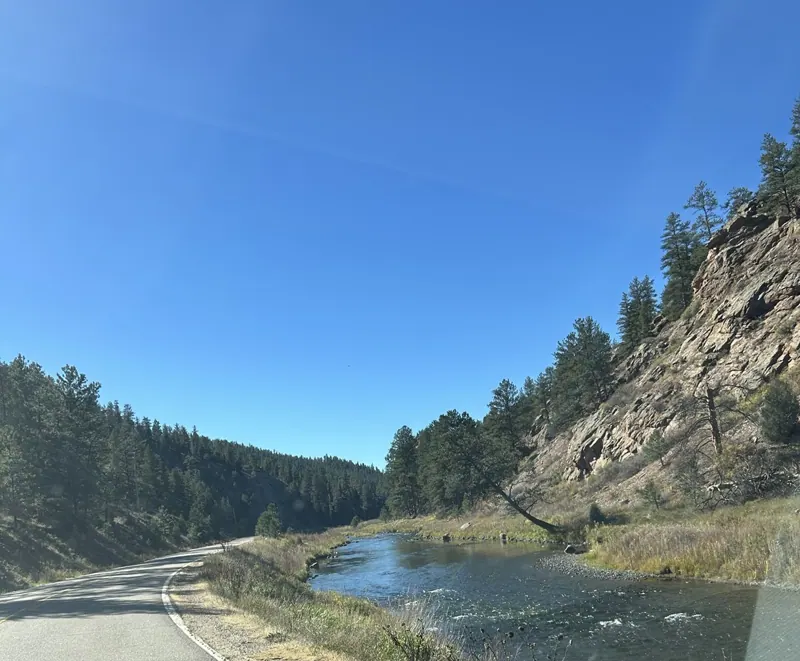
Your First Fly Fishing Setup for Colorado: What to Buy and Why
What to buy for your first fly fishing setup in Colorado: rod weight and length, reel, WF floating line, backing, leader and 5X to 7X tippet.
9 min readPhoto: Seamline
How to Fly Cast: The Overhead Cast and the Roll Cast
How to fly cast for beginners: the overhead cast and roll cast step by step, with clock positions and the pause, plus common faults and how to fix them.
8 min readPhoto: Seamline
How to Rig and Fish a Winter Midge Rig on Colorado Tailwaters
How to tie and fish a two-fly winter midge rig on Colorado tailwaters near Denver: leader, tippet, fly spacing, split shot, indicator depth and the rules.
16 min read
How to Set Up a Nymph Rig: Indicator Rig and Dry-Dropper
How to set up an indicator nymph rig and a dry-dropper for Colorado trout: indicator depth, split shot, tippet, fly spacing and how many flies are legal.
10 min readPhoto: Seamline