Scroll sideways for more
| Cast | Use it when | Line out to start | Back position | Forward stop |
|---|---|---|---|---|
| Overhead cast | Open banks, longer casts, dry flies | 20 to 25 ft past the rod tip (about 3 rod lengths) | Rod stops just past straight up (12 o'clock), slightly behind you | Rod stops high, just past vertical; lower the tip as the line unrolls |
| Roll cast | Trees or a bank behind you; short casts; picking up a nymph rig | Line already on the water in front of you | Hand up near your ear, rod tipped slightly back; line hangs in a D-shape behind your shoulder | Flick to a stop at about eye level |
The short answer
Overhead cast: lift the line off the water, accelerate the rod back and stop it just past straight up, pause until the line has almost straightened behind you, then accelerate forward and stop high, lowering the rod tip as the line unrolls. Roll cast: slowly drag the line toward you with your hand up near your ear, pause until the line sticks to the water, then flick forward to a stop at eye level. Timing beats strength: stop, pause, stop.
Before you cast
- Practice on grass or still water, with a piece of bright yarn tied on instead of a fly.
- Pull 20 to 25 feet of line past the rod tip, or about 3 rod lengths.
- Grip lightly. A tight grip tires your hand and keeps you from stopping the rod quickly; squeeze only at the stop.
- Pinch the line under the index finger of your rod hand during the stroke so it cannot slip.
- Stand facing the target with your feet slightly apart.
The overhead cast, step by step
- Step 1. Start with the rod tip low and pointed at the line on the water, with 20 to 25 feet of line out and no slack.
- Step 2. Back cast: lift smoothly and speed up, then stop the rod hard when it points just past straight up, 12 o'clock, slightly behind you.
- Step 3. Pause. Watch the line unroll behind you and start forward just as the leader is about to straighten. Don't rush it.
- Step 4. Forward cast: speed up smoothly and stop the rod high, just past vertical. The stop is what throws the line.
- Step 5. As the line unrolls, lower the rod tip toward the water.
- Step 6. To add line, false cast (keep it in the air) and let a little line slip through your fingers on each forward cast.
Timing words: say "back... stop... pause... forward... stop" out loud.
The roll cast, step by step
The roll cast is a forward cast with no back cast, for when trees or a bank block your back cast. Much of Clear Creek, Bear Creek and Boulder Creek has trees close behind you. It is also how you pick up a nymph rig with an indicator and split shot.
- Step 1. Start with the line straight on the water in front of you and untangled.
- Step 2. Raise your rod hand until it is near your ear or across from your shoulder. Keeping the hand low is the most common mistake.
- Step 3. Draw the rod back slowly, dragging the line across the water toward you, and stop at ear level with the tip tipped slightly behind you. A small amount of line hangs behind your shoulder in a D-shape.
- Step 4. Pause until the line stops moving and sticks to the water in front of you. Some line must touch the water before you go forward. Do not make one continuous motion.
- Step 5. Move forward slowly, then speed up steadily, and flick to a stop at about eye level. The line rolls out over the water.
- Step 6. Stopping at eye level makes the line unroll above the water, so the fly straightens before it lands.
Other ways you'll hear
- "10 and 2": the rod moves in a window from 10 o'clock in front to 2 o'clock behind you. Fly Fisherman calls that metronome the wrong way to teach, because real casts need arm paths that change with the situation; it teaches a slow start, smooth acceleration and an abrupt stop. The stops in the steps above work either way.
- Forward cast: some teach bringing the forearm forward and down to about 45 degrees (10 o'clock), then lowering the rod slowly toward the water.
- Roll cast stop: some stop when the rod tip is just past vertical instead of at eye level.
Common faults and fixes
- Line crashes or piles up, wide sloppy loops: the stroke is too long. Do not take the rod as far back on the back cast.
- Tailing loops and wind knots (small overhand knots in the leader): the rod tip dips during the stroke, usually from creeping the rod forward during the pause or punching extra power at the end. Hold the rod still during the pause and speed up evenly. A locked, level elbow does it too: let the elbow rise a few inches on the back cast and drop 2 or 3 inches on the forward cast.
- A crack like a whip, or the fly snaps off: you started forward too soon. Pause longer, until the leader is about to straighten.
- Line slaps the water: you aimed too low or the forward cast was not one smooth motion. Stop higher.
- Line falls behind you: you started the stroke too fast. Speed up gradually.
- Arm or wrist swings like a windshield-wiper blade: make a short stroke that speeds up and stops suddenly, like hammering a nail into a wall.
- Roll cast will not roll out: hand too low, or no pause. Raise the hand to your ear and let the line settle on the water first.
Where to practice near Denver, and the rules
Fish the roll cast where the trees are. Rules are from CPW Chapter W-1, effective April 1, 2026.
- Bear Creek, Evergreen Lake dam down to Bear Creek Reservoir (Lair o' the Bear, Morrison): artificial flies and lures only; all rainbows and cutbows released; 2 other trout (W-1 #26.a).
- Boulder Creek, upper end of Eben Fine Park down to 55th Street: artificial flies and lures only; all trout released (W-1 #52.a).
- Clear Creek through Golden and the canyon: Chapter W-1 lists no special rule for this stretch, so statewide rules apply and bait is legal. Read the signs: rules change at boundaries.
Before every back cast, look behind you for trees, trail users and other anglers.
Get a lesson
A casting lesson at a local fly shop is the fastest fix for a cast that won't come together. Fly Fishers International certifies casting instructors and points beginners to them.
Where this comes from
Read on November 29, 2026.
- Take Me Fishing (RBFF): "How to Cast a Fly Rod": 3 rod lengths, stance, overhead stops, lowering the tip, roll cast setup, D-shape, stopping just past vertical.
- Texas Parks and Wildlife Department: casting guide (PDF): yarn, 20 to 25 feet, stopping just past 12, don't rush the pause, 45 degrees forward, slapping the water.
- National Park Service: "Fly fishing": 10 and 2, adding line while false casting, whipping snaps off the fly.
- Orvis Learning Center: lessons on the pause and rod angles, the roll cast, and the roll cast for small streams: start forward as the leader straightens, hand to the ear, line on the water before going forward, stop at eye level.
- Fly Fishers International: Learn to Cast (roll cast purpose, casting instructors).
- Fly Fisherman: "How To Fly Cast" (January 8, 2016): grip, pinching the line, against 10 and 2, falling back cast, windshield wiper; "Simple Casting Stroke Fixes" (September 15, 2020): long stroke; tailing loops article first printed July 1977, posted April 19, 2022: elbow.
- Scientific Anglers: "Tailing Loops Cause and Remedy" (May 3, 2024): creep and a punch of power.
- The Gazette: "On the fly: Buying a fly rod?" by an Angler's Covey guide (May 21, 2015): take a lesson at a local shop.
- CPW Chapter W-1 (2 CCR 406-1), as approved November 13, 2025, effective April 1, 2026: entries #26.a (Bear Creek) and #52.a (Boulder Creek).
Questions anglers ask
- What is the 10 and 2 rule in fly casting?
- The idea that the rod moves between about 10 o'clock in front and 2 o'clock behind you. It's a common way to teach the window, but the cast really comes from a slow start, a smooth speed-up and an abrupt stop: just past 12 on the back cast, high on the forward cast.
- How do you roll cast a fly rod?
- With line on the water in front, raise your hand to ear level and slowly drag the line back until a little hangs behind your shoulder, pause until the line sticks to the water, then flick forward to a stop at eye level.
- Why does my fly line keep getting wind knots?
- Tailing loops. The rod tip dips during the cast, usually from creeping forward during the pause or punching power at the end. Hold still during the pause and speed up evenly.
- Why does my fly cast crack like a whip?
- You started forward before the line straightened behind you. Pause longer, until the leader is about to straighten. The crack can snap off your fly.
- How much line should I start casting with?
- 20 to 25 feet past the rod tip, or about 3 rod lengths.
Find today's best water near Denver
Read next
Fishing Clear Creek in Golden
Fishing in Golden on Clear Creek: live flow, where the trout are, how big they get, the best winter hours and simple fly or spinning rigs.
7 min readPhoto: Dough4872, CC BY-SA 4.0
Fly Fishing Bear Creek near Morrison
Fly fishing Bear Creek near Morrison and Idledale: public access at Lair o' the Bear and other parks, wild brown trout, winter tactics and flies.
6 min read
Fly Fishing Boulder Creek
Fly fishing Boulder Creek: wild brown trout right in town at Eben G. Fine Park, pocket water in Boulder Canyon, flies that work, and where to park.
5 min readPhoto: Susan from Alameda, CA, USA, CC BY 2.0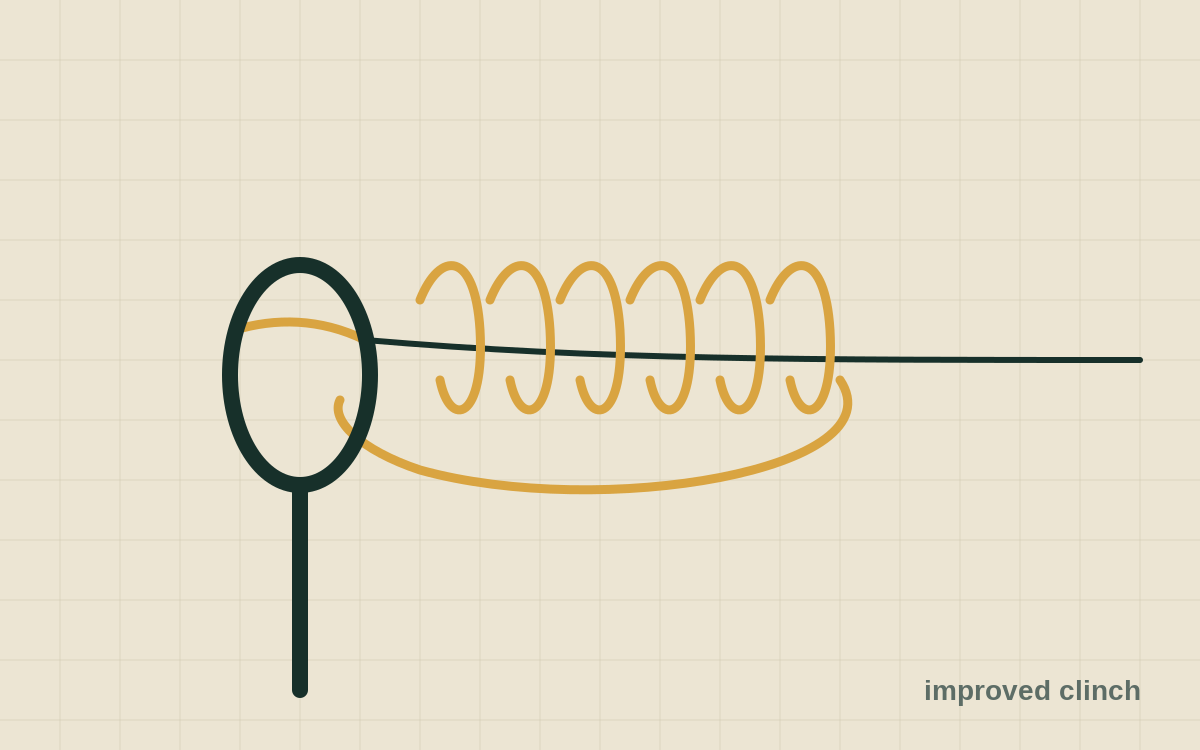
Fishing Knots: Which One, and How to Tie It
How to tie the fishing knots that cover almost everything: arbor, improved clinch, Palomar, double surgeon's, double uni and non-slip loop, plus the five fly line knots, with a drawing for every step.
12 min read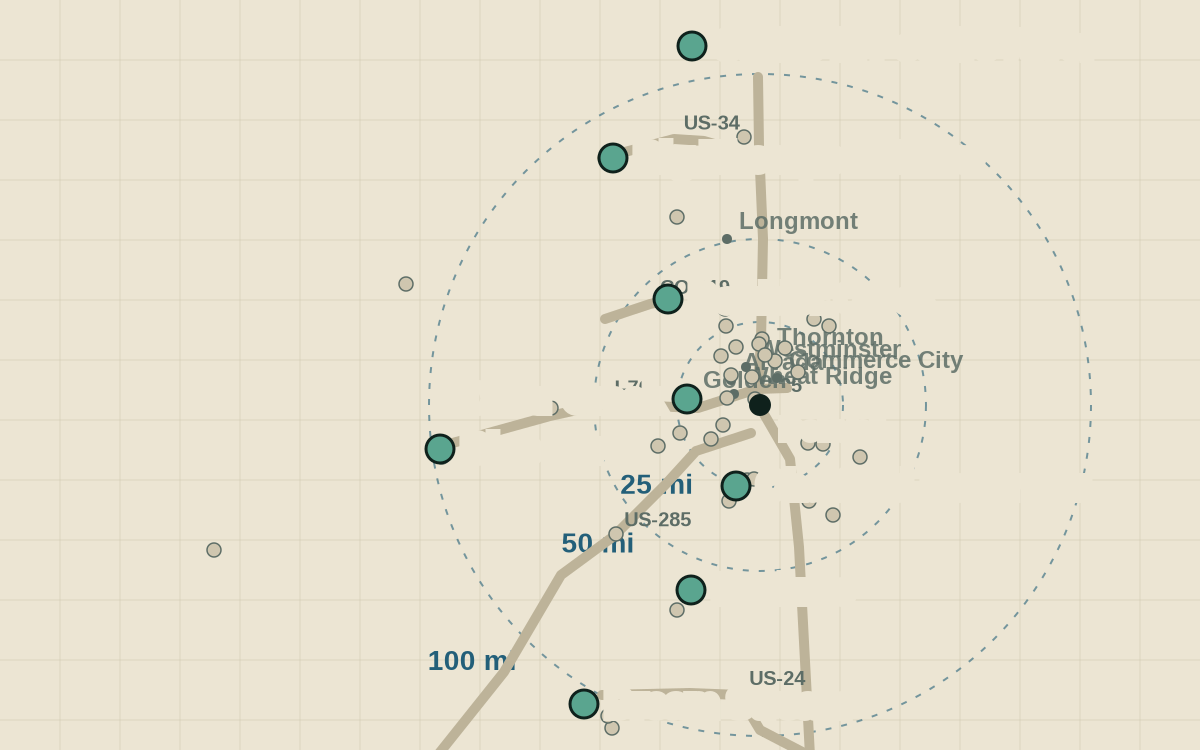
Fly Fishing Near Denver, by Drive Time
The best fly fishing near Denver, sorted by drive time: from the South Platte in town and Clear Creek in Golden to Deckers, the Blue and the Arkansas, with what each is best for.
5 min read
Your First Fly Fishing Setup for Colorado: What to Buy and Why
What to buy for your first fly fishing setup in Colorado: rod weight and length, reel, WF floating line, backing, leader and 5X to 7X tippet.
9 min readPhoto: Seamline
How to Set Up a Fly Rod and Reel, Step by Step
How to rig a new fly rod and reel step by step: how much backing, the knot for each connection, a 9-foot leader and tippet length, with measurements.
9 min readPhoto: Seamline
How to Set Up a Nymph Rig: Indicator Rig and Dry-Dropper
How to set up an indicator nymph rig and a dry-dropper for Colorado trout: indicator depth, split shot, tippet, fly spacing and how many flies are legal.
10 min readPhoto: Seamline