Scroll sideways for more
| Part | Start with | Why |
|---|---|---|
| Rod | 9 ft, 5-weight | A good general-purpose Colorado rod; it covers tailwaters, big rivers and most creeks |
| Second rod (later) | 7.5 to 8.5 ft, 3- or 4-weight | Easier under trees on Clear Creek and Bear Creek; lighter for dry flies |
| Reel | Sized to the rod (a 5 reel for a 5-weight), with a disc drag | Colorado fish and casting distances rarely need a high-end reel |
| Fly line | Weight-forward (WF) floating, same weight as the rod: WF5F on a 5-weight | Easier for a beginner to cast; floats for dry flies and indicator nymphing |
| Backing | 20- or 30-lb Dacron, about 100 yards on a trout reel | Fills the spool under the fly line and gives a big fish room to run |
| Leader | 9 ft tapered, ending in 5X | Get a few. A 7-foot 5X leader is easier to cast on small creeks |
| Tippet | Spools of 5X and 6X; add 7X later | 5X for most flies, 6X for tailwater midges, 7X for picky fish on flat water |
| Knots to learn first | Loop-to-loop, surgeon's knot, clinch knot | Line to leader, leader to tippet, tippet to fly |
The short answer
Buy a 9-foot 5-weight rod, a reel sized for it with a disc drag, a weight-forward floating 5-weight line on about 100 yards of 20-lb backing, a 9-foot 5X leader and spools of 5X and 6X tippet. That one outfit fishes Deckers, Cheesman Canyon, the Dream Stream, the Blue in Silverthorne and the Fryingpan. Add a shorter 3- or 4-weight later if most of your days are on brushy creeks like Clear Creek and Bear Creek.
9-foot 5-weight vs 4-weight vs a short creek rod
Fly rods are sized by the weight of line they cast. Buy a 5 first, in 9 feet. A 5-weight carries the trout flies you'll use almost all the time, and 9 feet is long enough to hold line off the water and mend, without the wind trouble of a longer rod. Colorado Parks and Wildlife calls it a good general-purpose rod for the state.
Your second rod, if you spend most days on Clear Creek, Bear Creek or South Boulder Creek, is a 7.5- to 8.5-foot 3- or 4-weight. It is easier under the trees and better with dry flies, and a 5-weight is overkill on those creeks. For small high-elevation creeks, go 7 to 7.5 feet. Buy the short rod second, not first.
Other ways you'll hear: go one size heavier, a 9-foot 6-weight, which Orvis calls the most common first rod; The Blue Quill Angler says a 5- or 6-weight in 9 to 10 feet. A 10-foot rod does no harm, and a softer rod better protects light leaders while you fight a big fish.
Reel, line and backing
Match the reel to the rod: a size 5 reel for a 5-weight, with a disc drag. Colorado's distances and fish rarely call for an expensive reel. Check that the reel holds enough backing for its line weight.
Buy a weight-forward floating line in the rod's weight. It is the easiest line for a beginner to cast, and it floats for dry flies and indicator nymphing. The box will read something like WF5F: weight-forward, 5-weight, floating.
Backing goes on the reel first, under the fly line: about 100 yards of 20-lb Dacron on a trout reel. Many trout reels take 100 to 150 yards of 20- or 30-lb; check your reel's capacity chart. The fly rod setup page has the steps to put it all on.
Leader and tippet: 5X to 7X
The leader is the clear, tapered section between the fly line and the fly. The thin end, and the tippet you add to it, is sized in X numbers: a bigger X is thinner.
- Leader: 9 feet, ending in 5X. Get a few 9-foot knotless tapered leaders. A 7-foot 5X leader is easier to cast on small creeks.
- 5X tippet: the everyday size, and fine for small flies on flat water too.
- 6X tippet: for Front Range tailwaters. A South Platte guide starts low, clear tailwater days with a 9-foot 5X leader and adds 6X.
- 7X: for picky fish on slow, clear water. Some go as light as 7X or 8X for finicky spring-creek trout. Most beginners can wait on it.
- Shorter and heavier for streamers: 7 feet or less for a weighted Woolly Bugger in riffles.
What it costs
Check a local shop for today's prices; beginners rarely feel the difference in an expensive rod.
Setting a budget and looking at complete outfits (rod, reel, fly line and case) keeps it simple.
Cast it before you buy
Cast several rods before you buy. Visit a local fly shop, try a few for feel and weight, take a casting lesson and cast every rod in your price range. The casting page covers the overhead cast and roll cast.
Where to take it first, and the rules
A beginner outfit fishes all of these. Most are artificial flies and lures only, so leave bait at home. Rules are from CPW Chapter W-1, effective April 1, 2026.
- Bear Creek, Evergreen Lake dam down to Bear Creek Reservoir (Lair o' the Bear, Morrison): artificial flies and lures only; all rainbows and cutbows released; 2 other trout (W-1 #26.a).
- Boulder Creek, upper end of Eben Fine Park down to 55th Street: artificial flies and lures only; all trout released (W-1 #52.a).
- Clear Creek through Golden and the canyon: Chapter W-1 lists no special rule for this stretch, so statewide rules apply and bait is legal. Read the signs: rules change at boundaries.
- Deckers (South Platte, lower Wigwam Club boundary to Scraggy View Picnic Ground): artificial flies and lures only; 2 trout, 16 inches minimum (W-1 #399.e).
- Cheesman Canyon (South Platte, Cheesman Dam to the upper Wigwam Club line): artificial flies and lures only; all trout released (W-1 #399.d).
- Dream Stream (South Platte, Spinney Mountain Reservoir outlet to Eleven Mile Reservoir inlet): artificial flies and lures only; all fish released; some portions may be closed as posted from Sept. 15 to Dec. 31 for kokanee spawning (W-1 #399.b).
- Blue River in Silverthorne (Dillon Dam to the north city limits): artificial flies and lures only; all trout released (W-1 #47.b).
- Fryingpan River (Ruedi Dam to the Roaring Fork, about 14 miles): artificial flies and lures only; all trout except brown trout released (W-1 #159.a).
Flies to start with
Start with dry flies in sizes 14 to 18, nymphs 12 to 20 and streamers 4 to 8: a Pheasant Tail, Hare's Ear, Zebra Midge, RS2, Prince Nymph and San Juan Worm. On tailwaters in winter, go smaller: winter hatches are size 20 and smaller. The winter fly box page lists 12 winter patterns with sizes.
Where this comes from
Read on November 29, 2026.
- Colorado Parks and Wildlife, Fly Fishing (learn to fish page): the 9-foot 5-weight, reel size and drag, WF floating line, 7-foot 5X leader, 5X tippet, knots, fly sizes and patterns. Colorado Outdoors (CPW's magazine), "Getting Started: Fly-Fishing Basics" by Howard Horton, CPW (June 16, 2016), says the same.
- Orvis: "How Do I Choose My First Fly Rod?" (no author or date shown): 5- or 6-weight, 9-foot 6-weight as the most common first rod. Orvis Learning Center lesson on the best beginner trout rod (Tom Rosenbauer): why 9 feet and 5-weight.
- The Blue Quill Angler: "A Guide for Selecting Your First Fly Rod and Reel" (no date shown): 5- or 6-weight in 9 to 10 feet, reel backing capacity, budgets and outfits, casting several rods. Golden Fly Shop: "3 reasons why you need a 3wt" (November 12, 2024): short rods for Clear, Bear and South Boulder creeks;; a 2021 Golden Fly Shop article: winter hatches size 20 and smaller.
- The Gazette: "On the fly: Buying a fly rod?" by an Angler's Covey guide (May 21, 2015): the 9-foot 5-weight standard, 10-foot rods, softer rods, lessons.
- Take Me Fishing (RBFF): "Basic fly fishing equipment" (September 20, 2022) and "Fly Fishing Equipment: 9 Essentials For Beginners" (November 2, 2017): WF floating line.
- Fly Fisherman: "Fly Fishing Setup" (August 30, 2012): backing, 9-foot leaders, 7X and 8X, streamer leaders; "3 Fly Fishing Guide Rigs" by Pat Dorsey (September 15, 2025): 9-foot 5X plus 6X on low, clear tailwaters. MidCurrent: backing for a trout reel. Scientific Anglers: fly fishing knots (backing test).
- CPW Chapter W-1 (2 CCR 406-1), as approved November 13, 2025, effective April 1, 2026: entries #26, #47, #52, #159 and #399.
Questions anglers ask
- What size fly rod for Colorado?
- A 9-foot 5-weight. It is a good general-purpose rod for Colorado and handles the Front Range tailwaters and most rivers. Add a 7.5- to 8.5-foot 3- or 4-weight later for small brushy creeks.
- Should my first fly rod be a 4-weight or a 5-weight?
- A 5-weight for most people, in 9 feet. A 4-weight is better with dry flies, and a short one suits Clear Creek and Bear Creek, so make it your second rod.
- What fly line should a beginner buy?
- A weight-forward floating line in the same weight as the rod, such as WF5F for a 5-weight. It is the easiest line to start with.
- What tippet size for Colorado tailwaters?
- Carry 5X and 6X. On low, clear tailwaters, add 6X to a 9-foot 5X leader. Go to 7X only for very picky fish on slow water.
- How much does a beginner fly fishing setup cost?
- Check a local shop for today's prices; beginners rarely feel the difference in an expensive rod.
- How much backing do I need on a trout reel?
- About 100 yards of 20-lb Dacron. Many trout reels take 100 to 150 yards of 20- or 30-lb; a small reel may hold only about 50.
Find today's best water near Denver
Read next
Fly Fishing the South Platte at Deckers
Fly fishing the South Platte at Deckers: roadside access, best flows, seasonal flies, how to beat the crowds and why some days fish poorly.
7 min read
Fishing Clear Creek in Golden
Fishing in Golden on Clear Creek: live flow, where the trout are, how big they get, the best winter hours and simple fly or spinning rigs.
7 min readPhoto: Dough4872, CC BY-SA 4.0
Fly Fishing Bear Creek near Morrison
Fly fishing Bear Creek near Morrison and Idledale: public access at Lair o' the Bear and other parks, wild brown trout, winter tactics and flies.
6 min read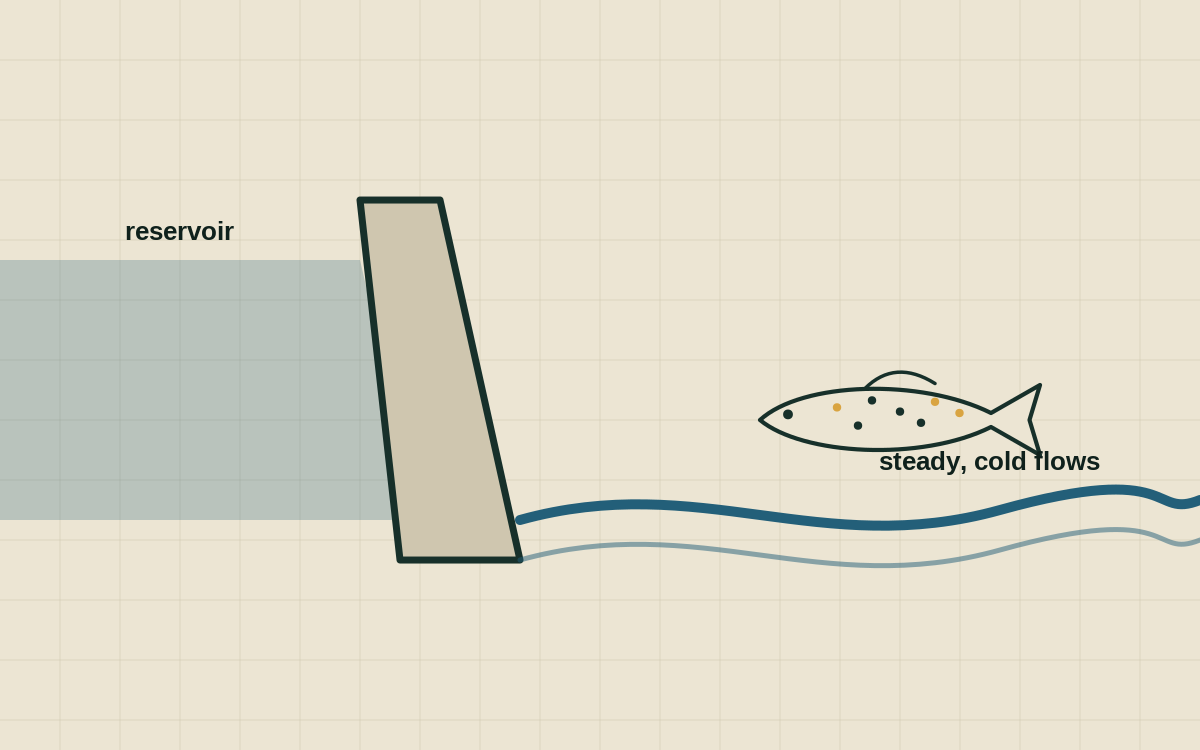
The Best Tailwaters Near Denver
The best tailwater fly fishing near Denver, from Waterton Canyon to the Fryingpan, with drive times, what each is best for and whether dogs are allowed.
2 min read
The Winter Tailwater Fly Box
A compact winter fly box for Colorado tailwaters: midges, Baetis, attractors and mysis, plus tippet and accessories.
1 min read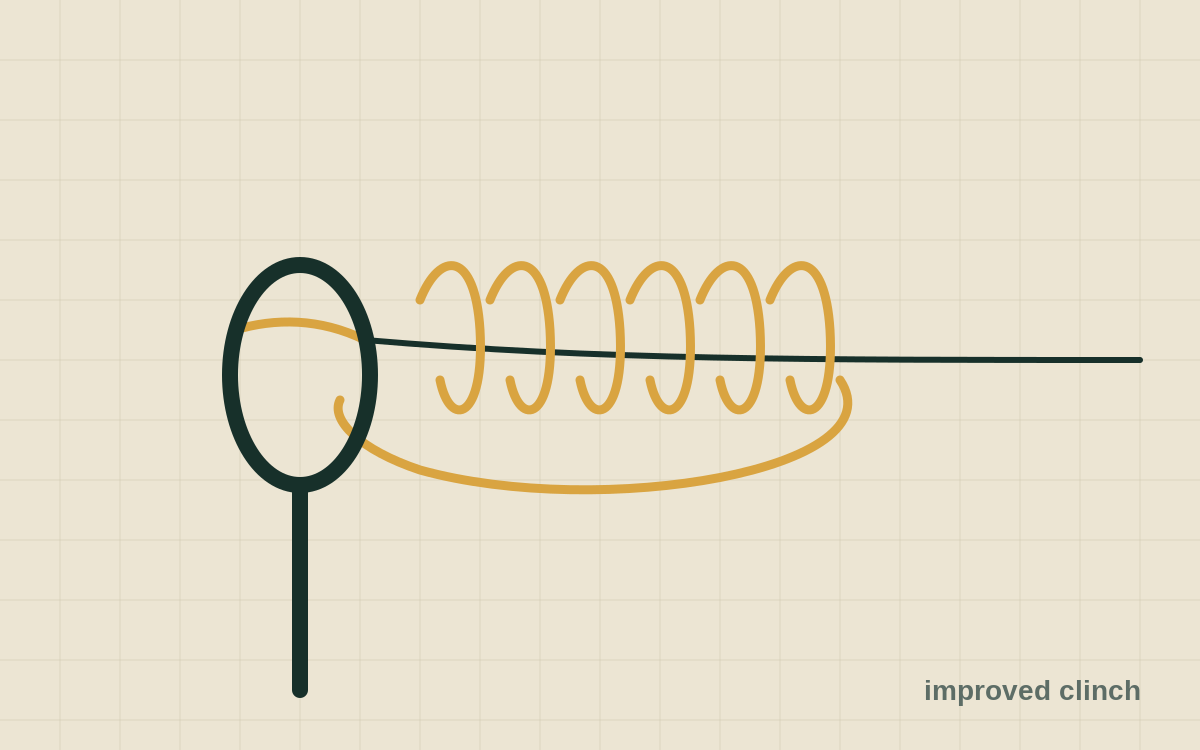
Fishing Knots: Which One, and How to Tie It
How to tie the fishing knots that cover almost everything: arbor, improved clinch, Palomar, double surgeon's, double uni and non-slip loop, plus the five fly line knots, with a drawing for every step.
12 min read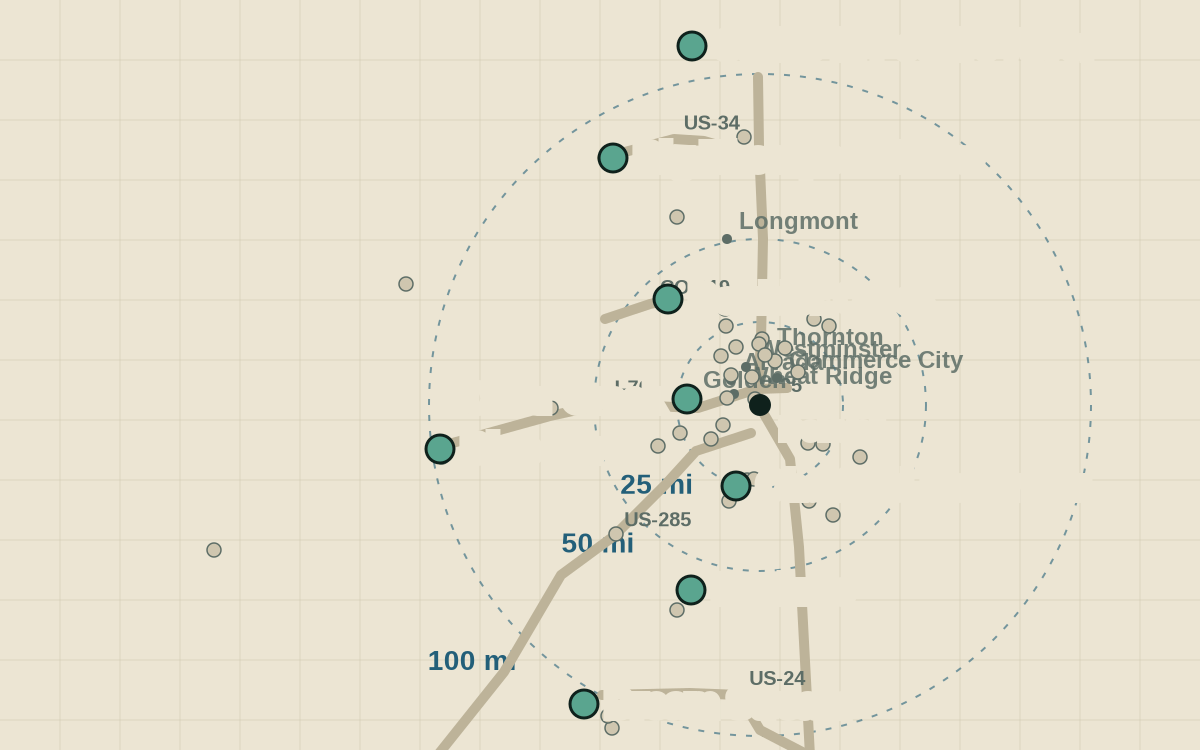
Fly Fishing Near Denver, by Drive Time
The best fly fishing near Denver, sorted by drive time: from the South Platte in town and Clear Creek in Golden to Deckers, the Blue and the Arkansas, with what each is best for.
5 min read
Colorado Fishing License: Prices, Dates and Who Needs One
Colorado fishing license prices for 2026-27, who needs one at 16 and older, the Habitat Stamp, second-rod stamp, license year dates and where to buy.
18 min read
How to Set Up a Fly Rod and Reel, Step by Step
How to rig a new fly rod and reel step by step: how much backing, the knot for each connection, a 9-foot leader and tippet length, with measurements.
9 min readPhoto: Seamline
How to Fly Cast: The Overhead Cast and the Roll Cast
How to fly cast for beginners: the overhead cast and roll cast step by step, with clock positions and the pause, plus common faults and how to fix them.
8 min readPhoto: Seamline
How to Rig and Fish a Winter Midge Rig on Colorado Tailwaters
How to tie and fish a two-fly winter midge rig on Colorado tailwaters near Denver: leader, tippet, fly spacing, split shot, indicator depth and the rules.
16 min read
How to Set Up a Nymph Rig: Indicator Rig and Dry-Dropper
How to set up an indicator nymph rig and a dry-dropper for Colorado trout: indicator depth, split shot, tippet, fly spacing and how many flies are legal.
10 min readPhoto: Seamline