Some links on this page may be affiliate links. If you buy through them, we may earn a commission at no extra cost to you.
Midges (the core)
- Zebra midge, black and red, #20–24
- Small midge pupa with a glass bead, #22–24
- Midge larva in red and olive, #22–26
- Griffith's gnat for rare surface feeding, #22
Baetis and emergers
- RS2, gray, #20–22
- Small pheasant tail, #20
- Baetis emerger, #20–22
Attractors
- Small egg, #16–18
- San Juan worm, red or wine, #14–16
- Mini leech, black or olive, #12–14
Tailwater specials
- Mysis shrimp, #16–18, for the Blue and the Fryingpan
- Small dark bugger, #8–10, for low-light streamers
Accessories
- 6x and 7x fluorocarbon
- Small yarn indicators
- Split shot sizes 4–6
- Fingerless gloves and hand warmers
How to fish this box
Start with an attractor up top and a midge 14–18 inches below. If you're getting no takes, change your depth first, then the midge color, then go one size smaller. On gray afternoons, switch the trailer to an RS2 or Baetis emerger.
Questions anglers ask
- What is the best winter fly in Colorado?
- A small midge (#20–24) fished deep under an indicator.
Read next
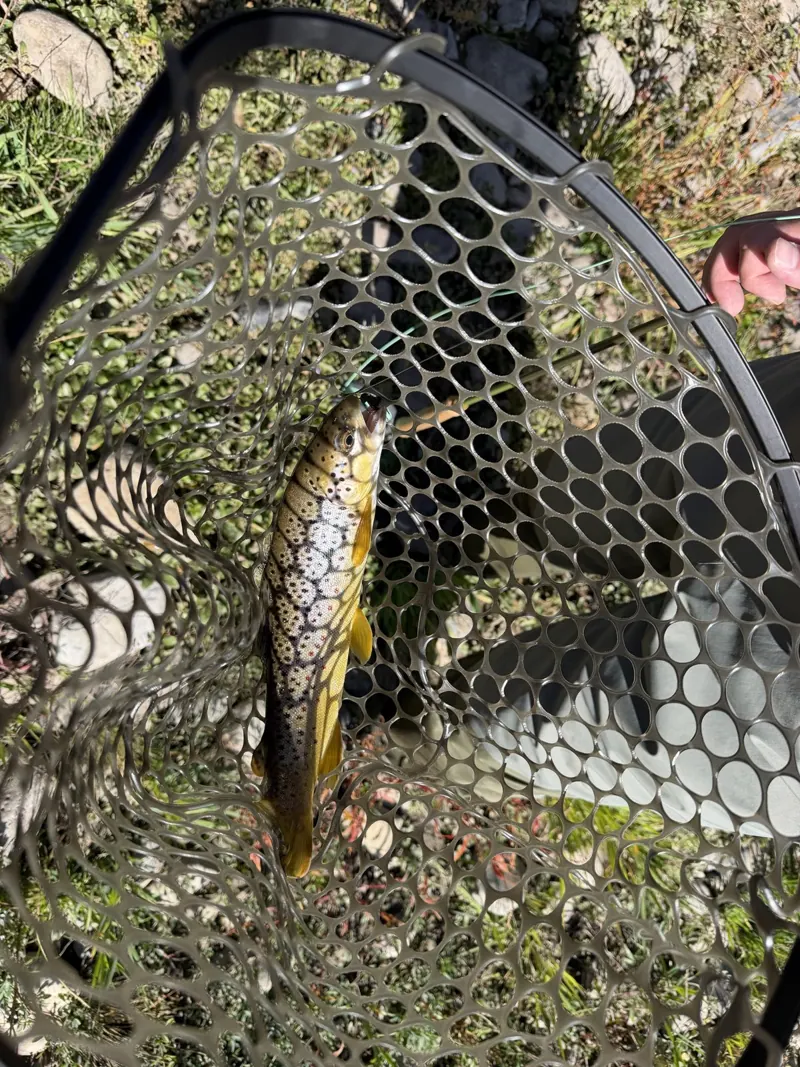
Winter Fly Fishing Near Denver
A practical guide to winter fly fishing near Denver: which tailwaters stay open, the best time of day, midge rigs, safety and staying warm.
3 min read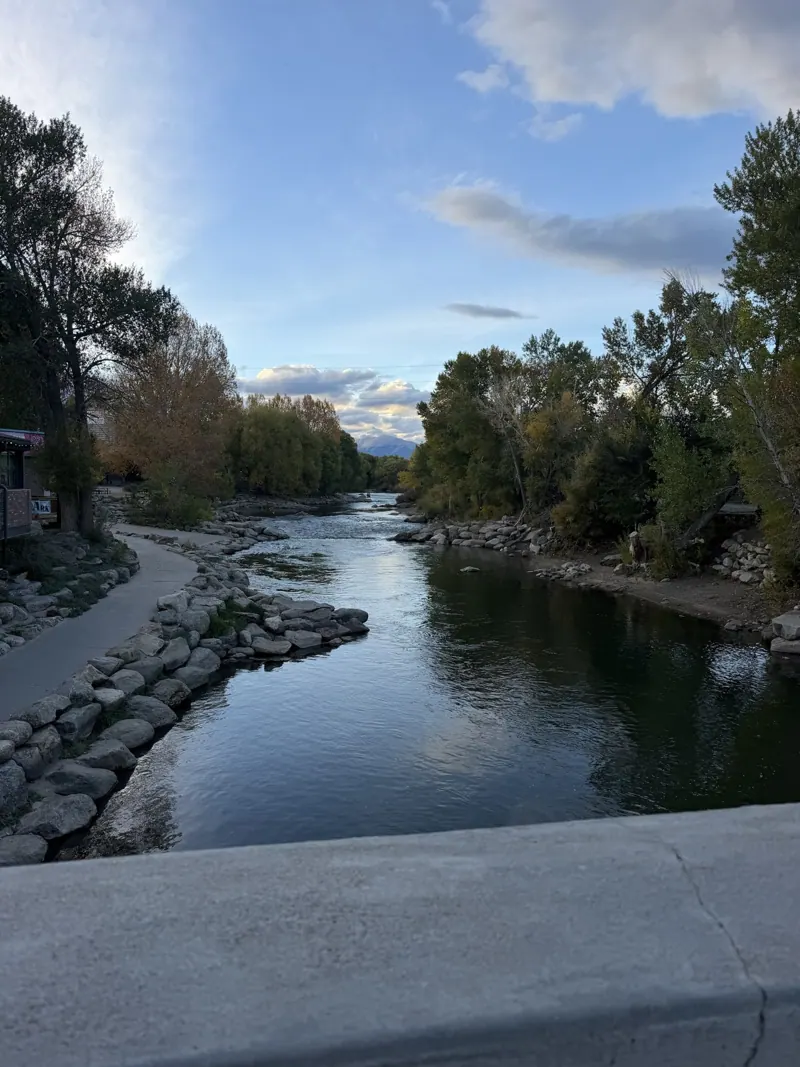
The Best Tailwaters Near Denver
The best tailwater fly fishing near Denver, from Waterton Canyon to the Fryingpan, with drive times, what each is best for and whether dogs are allowed.
2 min read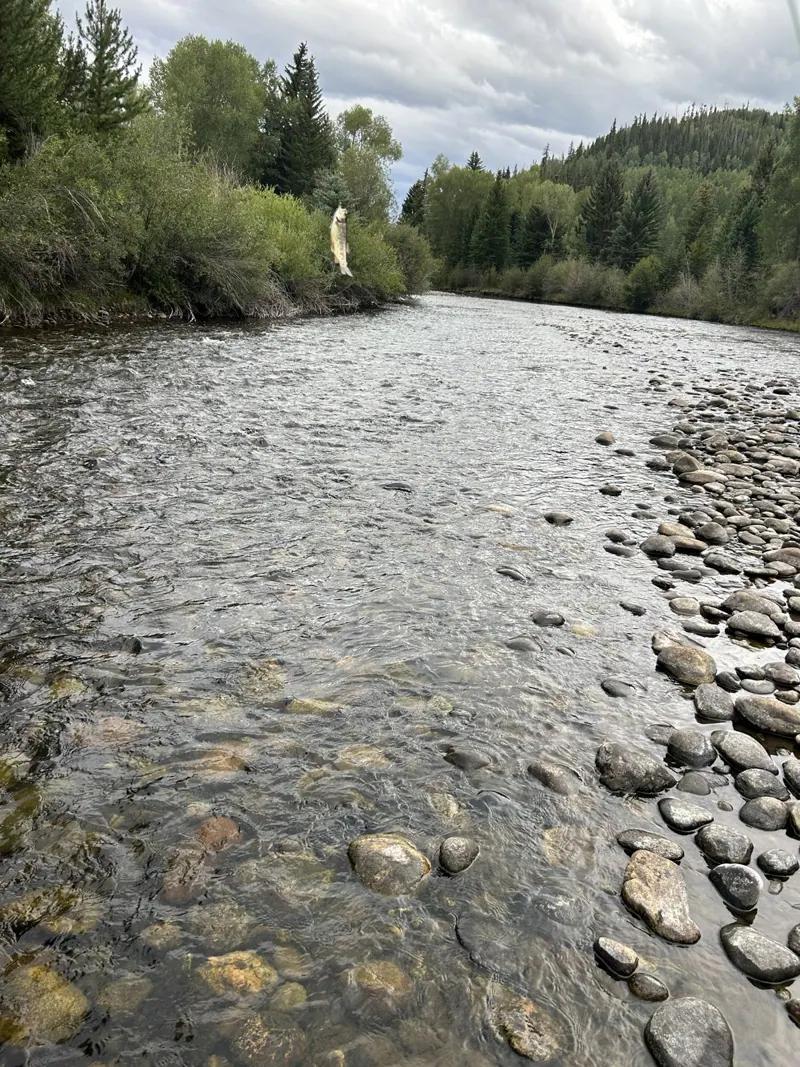
Front Range Hatch Chart
A month-by-month hatch chart for Front Range tailwaters and nearby freestones: midges, Baetis, PMDs, caddis, tricos, drakes and more.
2 min read